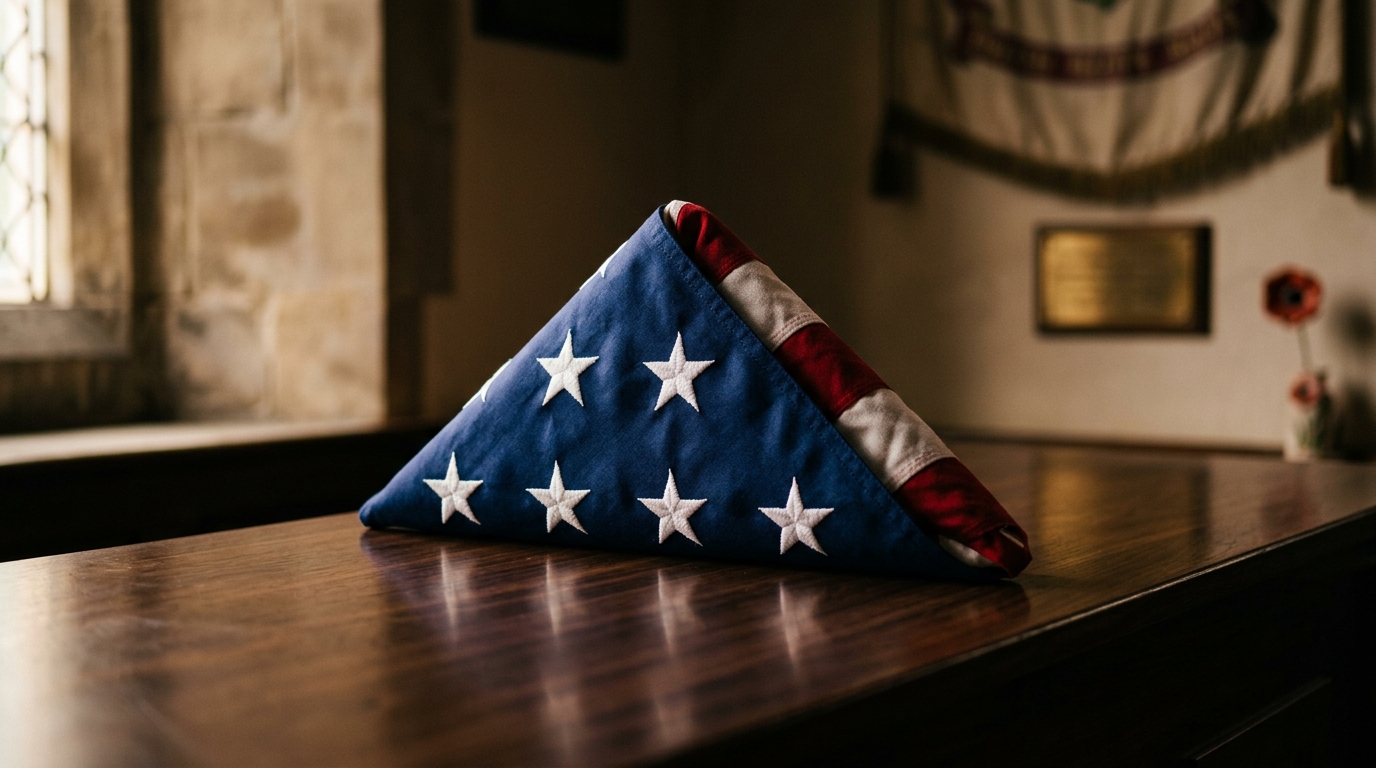
Lindsey Graham Dies at 71, Hours After a Final Trip to Ukraine
Lindsey Graham spent one of his last days on earth in Kyiv, doing the thing he was known for, pushing America to stand with an ally under fire. He flew home to South Carolina, and on Saturday night, July 11, he was gone.
The cause, according to a preliminary finding from the District of Columbia medical examiner, was an aortic dissection tied to heart disease. He was 71. President Trump said he had spoken with Graham on Saturday evening and that it may have been their last conversation.
However you felt about the man, that is a hard way to lose a fixture of American politics. So let us take him seriously, both the record and the road ahead.
The man South Carolina sent to Washington
Start with the career, because it was a long one.
Graham first went to Congress in 1995 as a House member and moved to the Senate in 2003, winning the seat once held by Strom Thurmond. He held it for more than two decades and was serving as the senior senator from South Carolina when he died.
His signature was foreign policy. He was one of the Senate's loudest hawks, and he made no apology for it. Alongside John McCain and Joe Lieberman, he formed a trio the press nicknamed the Three Amigos, bound together by the belief that American power should shape events before hostile regimes do. He pushed both Trump and Biden to arm Ukraine against Russia, and he pressed hard for a tough line on Iran, a line the country is watching play out in real time this week.
An honest word about where he stood
A tribute that pretends everyone loved him would insult your intelligence, so here is the honest version.
Graham was not a perfect fit for the movement that now drives the Republican Party. His appetite for foreign intervention put him at odds with a base that has grown wary of far-off wars, and he drew primary challengers who argued he cared more about distant capitals than about the people back home. That tension was real, and it never fully went away.
And yet the voters kept him. In June he beat back his challengers and won the nomination for a fifth term. Whatever the arguments, South Carolina Republicans were not done with him. That is worth respecting even if you disagreed with him.
How Washington reacted
The tributes came fast, and they crossed the usual lines.
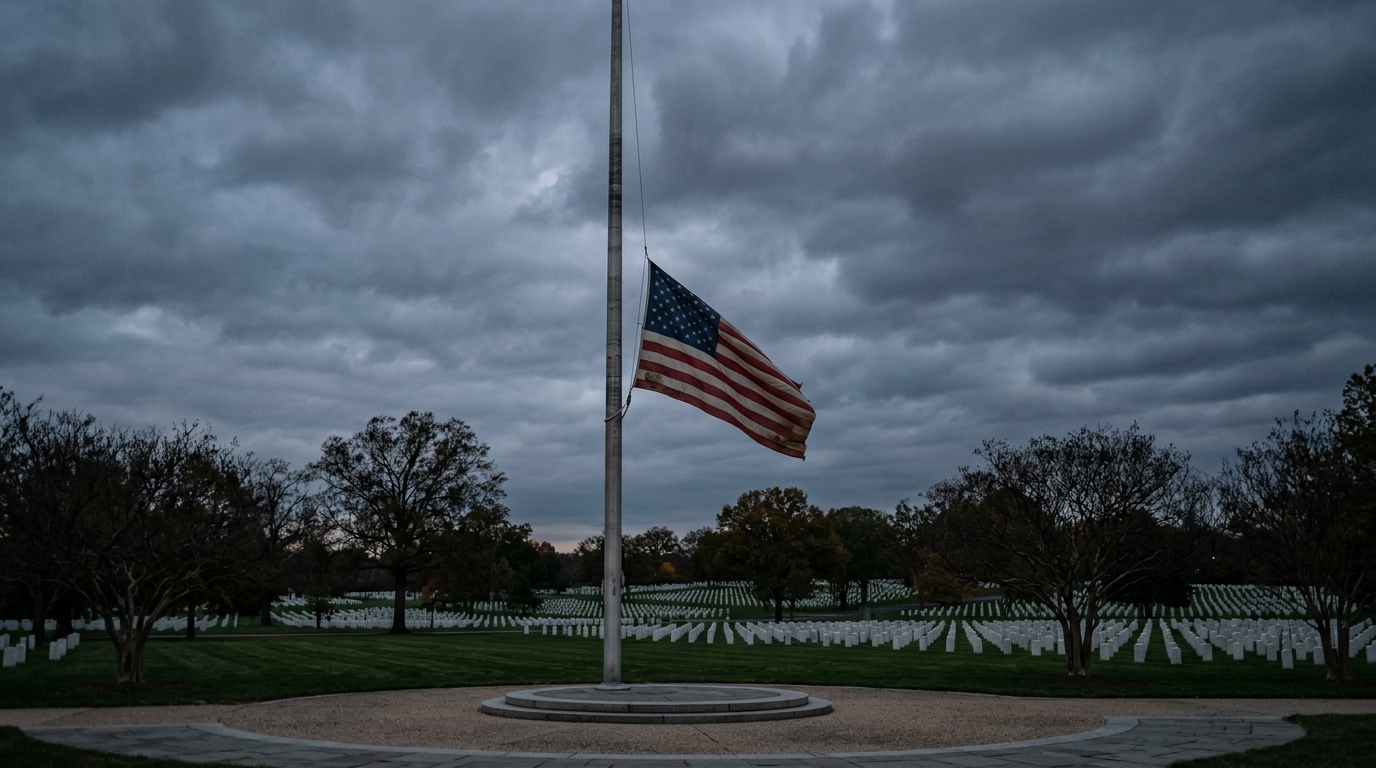
President Trump called him one of the greatest senators he had ever known and a true American patriot, and ordered flags lowered to half-staff in his memory. Senate Majority Leader John Thune remembered a fierce advocate for the country and for allies fighting for their freedom. Governor Henry McMaster called him the fiercest of fighters for South Carolina and America. Even former President George W. Bush, from an earlier era of the party, praised Graham's grasp of how the world works.
You do not get that range of voices for a small figure. Graham was a heavyweight, and everyone in Washington knew it.
What happens to the seat now
Here is the part with real stakes for the balance of power, and it moves quickly.
Graham's death sets off two separate clocks under South Carolina law. Governor McMaster will appoint someone to hold the seat temporarily, filling the vacancy until early January. Then a special Republican primary will choose the party's new nominee for the seat, since Graham had already won the June nomination and now cannot appear on the November ballot.
The timeline is short. Reporting from South Carolina outlets says the filing period could open as soon as July 21, with early voting in early August and the special primary held by around August 11, and a runoff two weeks later if no one clears the bar. Republican Congressman Ralph Norman has already announced he will run.
The stakes reach past South Carolina. Senate Republicans hold a narrow majority, and every seat and every vote matters for the president's agenda. Graham was a reliable engine for confirming Trump's nominees and moving his priorities, and replacing that kind of workhorse in the middle of a term is not a small thing.
What to watch next
Three things will tell you how this shakes out.
Watch who McMaster appoints. A caretaker who simply holds the seat sends one message. A rising figure who plans to run to keep it sends another.
Watch the special primary field. Ralph Norman is in. Whoever else jumps in, and how they talk about foreign policy, will show whether South Carolina wants another hawk in Graham's mold or a voice closer to the more restrained mood in today's base.
And watch the calendar. With filing possibly opening July 21 and a primary weeks later, this race will be fast and loud. Pay attention early, because it will be half over before most people are paying attention at all.
For now, the flags are at half-staff. A long chapter of South Carolina politics closed on Saturday night, and the next one is already being written.
Support Truth in Media
If you believe in our mission to bring honest, conservative news to the American people, please consider joining our newsletter.
Join The Movement