Republicans Held Fauci in Contempt. The Twist Is His Own Pardon May Be Why.
A week ago, Anthony Fauci sat in a Senate hearing and refused to answer, invoking the Fifth Amendment more than a hundred times. On Thursday, the committee answered back. It voted to hold him in contempt of Congress. And the argument Republicans are using to get around his silence is one most people have not caught yet. They say the pardon that was supposed to protect Fauci is the very thing that strips away his right to stay quiet.
Let us walk through what happened and why that legal wrinkle could matter more than the vote itself.
What the committee did
Start with the vote.
The Senate Homeland Security and Governmental Affairs Committee, chaired by Rand Paul, voted 8 to 5 along party lines to hold Fauci in contempt. The trigger was simple. At last week's hearing, Fauci declined to answer the committee's questions about the pandemic and the origins of COVID, invoking his right against self-incrimination over and over. Paul counted 111 times. The committee decided that refusal, under a lawful subpoena, could not stand without consequence.
Paul was careful to frame it narrowly. He said the panel was not voting on Fauci's opinions or his pandemic decisions from years ago. It was voting on one thing, whether a subpoenaed witness can be ordered to answer and then simply refuse.
The pardon twist
Here is the part that makes this more than a party-line squabble.
Before he left office, President Biden gave Fauci a sweeping preemptive pardon covering his conduct from 2014 through January 2025. At the time it was described as protection against exactly this kind of Republican scrutiny. But Paul is now turning that shield into a sword. His argument runs like this. You can only plead the Fifth if your answers might incriminate you. If Fauci has already been pardoned for that entire period, then he cannot be prosecuted for it, and if he cannot be prosecuted, he has no self-incrimination to fear, and no valid reason to stay silent about it.
It is a clever argument, and it is not obviously wrong. It is also not obviously right. That same pardon does nothing to protect Fauci for anything he says now, in present-day testimony, which gives his lawyers a real reason to keep him quiet no matter what. This is genuinely unsettled ground, the kind of question that gets sorted out by courts, not by a committee vote.
Where it goes now, and whose desk it lands on
This is where it gets interesting for anyone following the bigger picture.
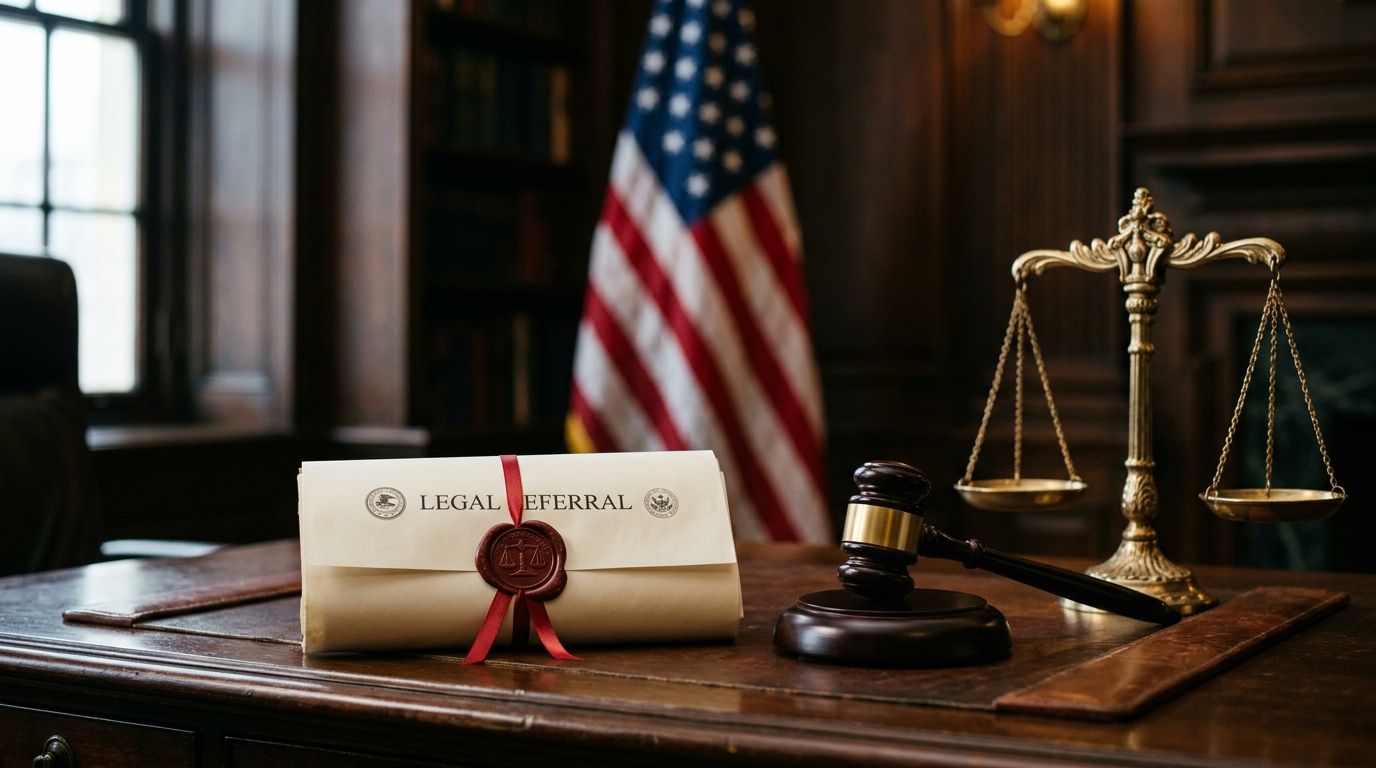
Normally a contempt citation goes to the full Senate, which would need 60 votes, and this one almost certainly does not have them. So Paul is skipping that step. He is sending a criminal referral straight to the Department of Justice, hand-delivered, asking prosecutors to take up the case. That is a break from the usual path, and reporting suggests it even requires Vice President Vance's sign-off in his role over the Senate.
And here is the thread that ties the week together. That referral lands on the desk of a Justice Department now run by Todd Blanche, just confirmed as attorney general. Whether his DOJ actually charges a former top health official over a refusal to testify is a real decision, not a formality, and prosecutors know a case like this would be a hard, high-profile fight.
The other side, because it belongs here
We are not going to give you only one half.
Democrats on the committee called the move pointless and punitive. Their argument is that criminal contempt does not force Fauci to answer anything or hand over a single document, so it accomplishes nothing except punishment. Fauci's attorney went further, calling it a crude political stunt and the latest chapter in what he described as Paul's personal vendetta against a man who spent 50 years in public health. Fauci himself, at the hearing, accused Paul of an unhinged obsession and of trying to bait him into a perjury trap.
Those are not throwaway points. A party-line vote that cannot pass the full Senate, routed around the normal process toward a friendly DOJ, is fair to view with some skepticism about how much is accountability and how much is politics. Both things can be true at once.
What to watch next
A few markers will tell you where this heads.
Watch the DOJ. The whole question now is whether Blanche's Justice Department takes the referral seriously or lets it sit. That decision is the ballgame.
Watch the pardon fight. If this reaches a courtroom, the argument over whether a pardon cancels the Fifth Amendment could set a precedent far bigger than Fauci.
Watch the tone. Paul says this is only about the refusal to testify. Critics say it is about a grudge. How the case is actually argued, on narrow legal grounds or as a political crusade, will tell you which one it really is.
For the millions still looking for straight answers about the pandemic, this vote did not deliver them. What it did was move the fight from a hearing room toward a courtroom, and hand the next move to a brand new attorney general.
Support Truth in Media
If you believe in our mission to bring honest, conservative news to the American people, please consider joining our newsletter.
Join The Movement