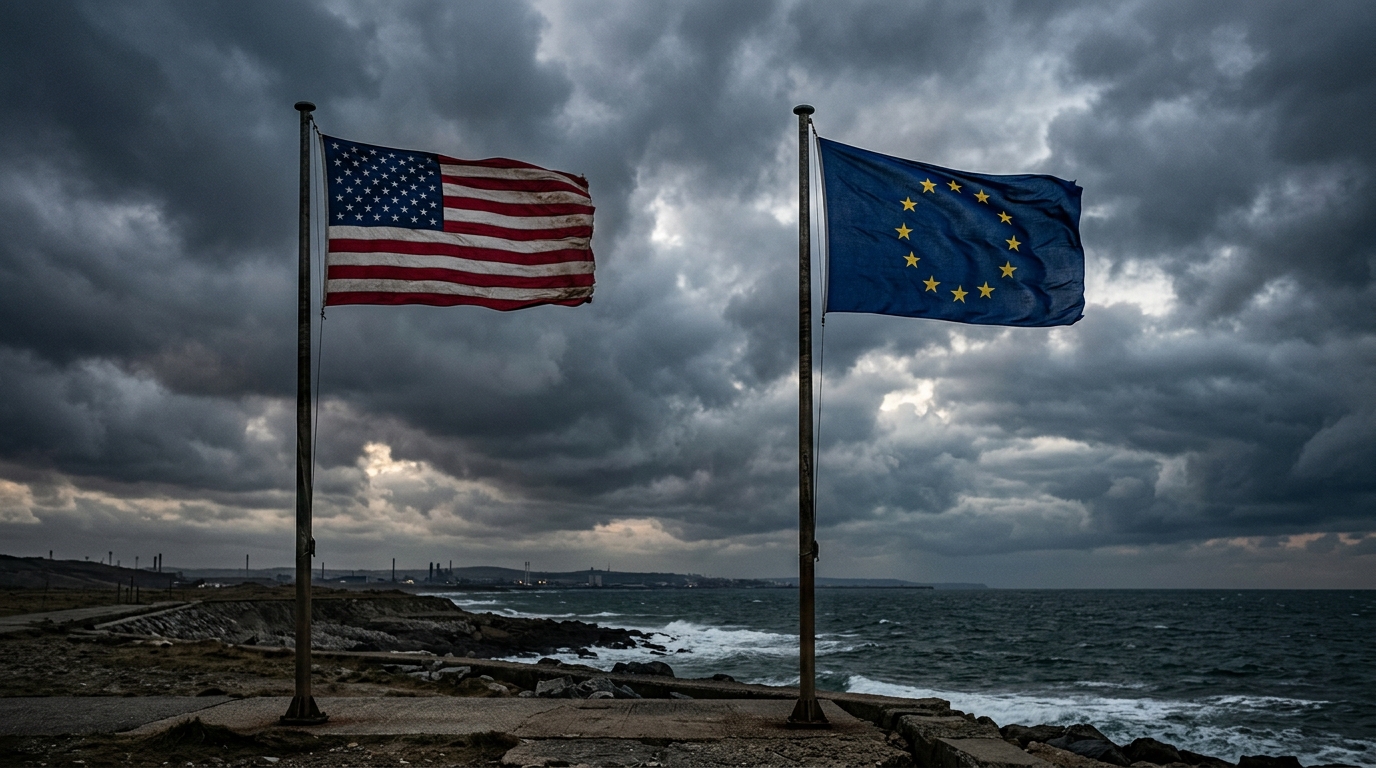
The War With Iran Is Now at Your Gas Pump, and Heading for Your Grocery Cart
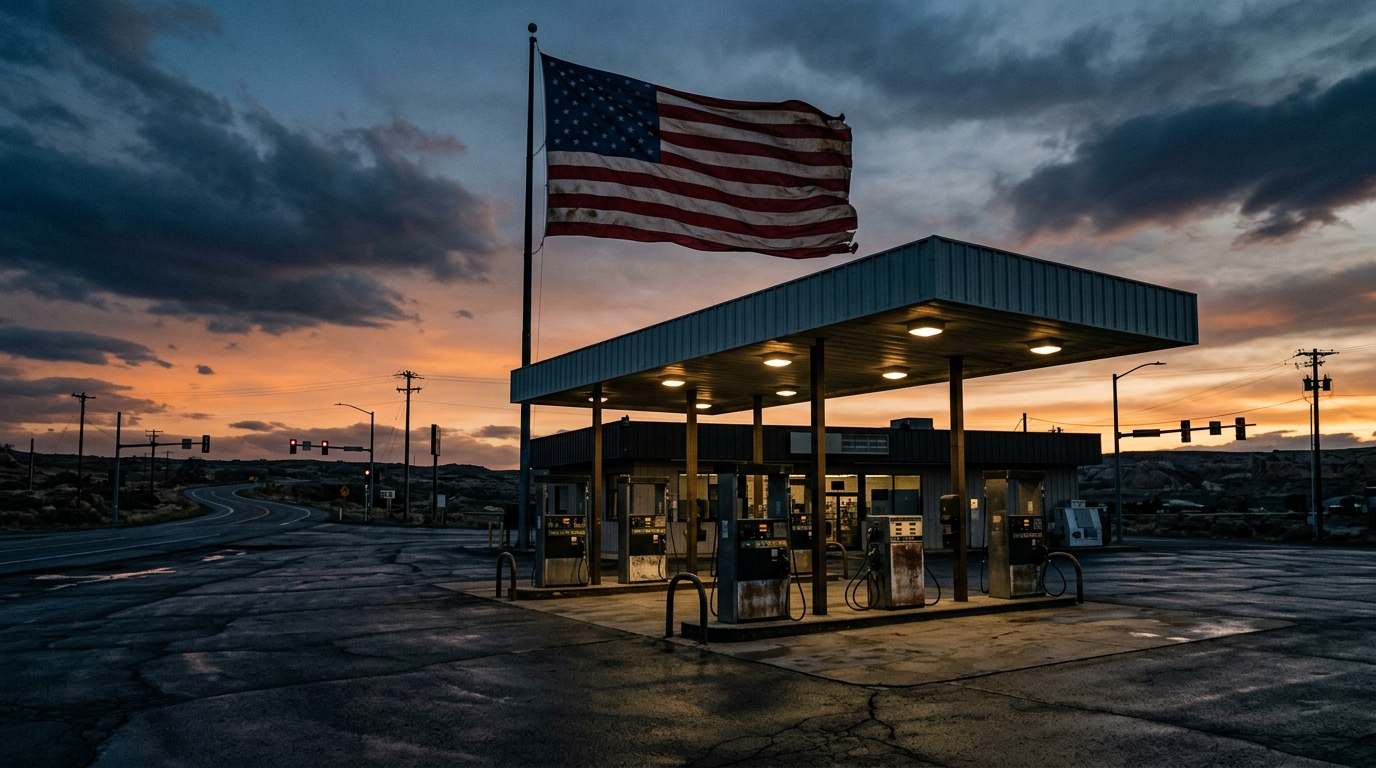
There is a version of this war that lives on a map of the Middle East, full of arrows and airstrikes and names most Americans cannot place. And there is the version that shows up when you fill your tank or check out at the grocery store. This week, the second one arrived.
On Thursday oil pushed back above 100 dollars a barrel, a level it had not touched since May. For a few weeks in June, when the fighting cooled, prices eased and the country exhaled. That break is over.
Why a war over there raises prices over here
Start with a map, because the geography explains almost everything.
About a fifth of the world's oil, roughly 15 million barrels every single day, moves through the Strait of Hormuz, a narrow neck of water bordered by Iran. When Iran threatens to hit tankers there, ships stop sailing, and oil that cannot move is oil that cannot be sold. Now the Houthis, Iran's allies in Yemen, have opened a second front by attacking ships in the Red Sea near the Bab el-Mandeb strait. That is two of the world's most important shipping chokepoints being squeezed at the same time.
Less oil moving means higher prices, and higher oil prices do not stay at the pump. They travel.
From the pump to the checkout
Here is the part that reaches people who do not follow the war at all.
Farmers run their equipment on diesel, and diesel has been running painfully high since the fighting began. By one estimate, the war has piled roughly 1.4 billion dollars in added costs onto American farmers. Those costs do not disappear. They ride along on every truck hauling produce, every refrigerated trailer, every box of cereal headed for a shelf.
A food economist at Cornell put it plainly this week. Oil at 100 dollars does not spike your grocery bill overnight, but it presses upward across the whole food chain, and the categories that lean hardest on trucking, cold storage, and packaging feel it first. Think fresh produce and dairy. Even the grocery giant Albertsons cut its outlook for the year on Thursday, pointing to pressure on its core grocery business and shoppers pulling back. The timing stings too, landing right as families start buying back-to-school supplies.
The administration’s answer, and it is a real argument
To its credit, the White House has not tried to pretend the pain away. It has made an argument, and it deserves a fair hearing.
The president has called the price spike a small price to pay, arguing that once Iran’s nuclear threat is broken, oil will drop back fast and Americans will be safer for it. There is logic in that. A nuclear-armed Iran able to choke the Gulf whenever it pleased would be a far bigger and more permanent threat to prices and safety than one hard summer at the pump. And the country is better cushioned than it was in past oil shocks, because American energy production is much higher today, which softens the hit every time a barrel gets expensive.
That is a serious case, and plenty of Americans buy it.
But the strain is real, and pretending otherwise helps no one
Here is the other half, because your readers are the ones living it.
Families have spent years already fighting inflation, and a fresh surge in gas and groceries lands on people who are tired and stretched thin. Truckers, farmers, and small businesses that run on diesel do not get to wait around for a geopolitical theory to pay off. For them the cost is now, in this month’s numbers, not in some future where the war ends cleanly. And the honest truth is that nobody can promise it ends cleanly or soon. The small price to pay argument only works if the war is short. The longer it grinds on, the weaker that argument gets.
Backing the mission and feeling the squeeze are not a contradiction. Most Americans are doing both at the same time.
What to watch next
A few things will tell you where your wallet is headed.
Watch the two chokepoints. If tankers start moving again through Hormuz and the Red Sea, prices ease. If either shuts tighter, they climb.
Watch the pump over the next couple of weeks. Gas and diesel move faster than groceries, so your local station is the early warning system for what hits the store later.
Watch how long the war runs. The whole case for absorbing this cost rests on the fighting ending soon. Every extra week turns a small price to pay into simply a price.
For now, fill up when you can and keep an eye on the news out of the Gulf. For once, what happens in the Strait of Hormuz has everything to do with what happens at your neighborhood grocery store.
Support Truth in Media
If you believe in our mission to bring honest, conservative news to the American people, please consider joining our newsletter.
Join The Movement