The Defund the Police Experiment Is Over. Here Is What the Scoreboard Says.
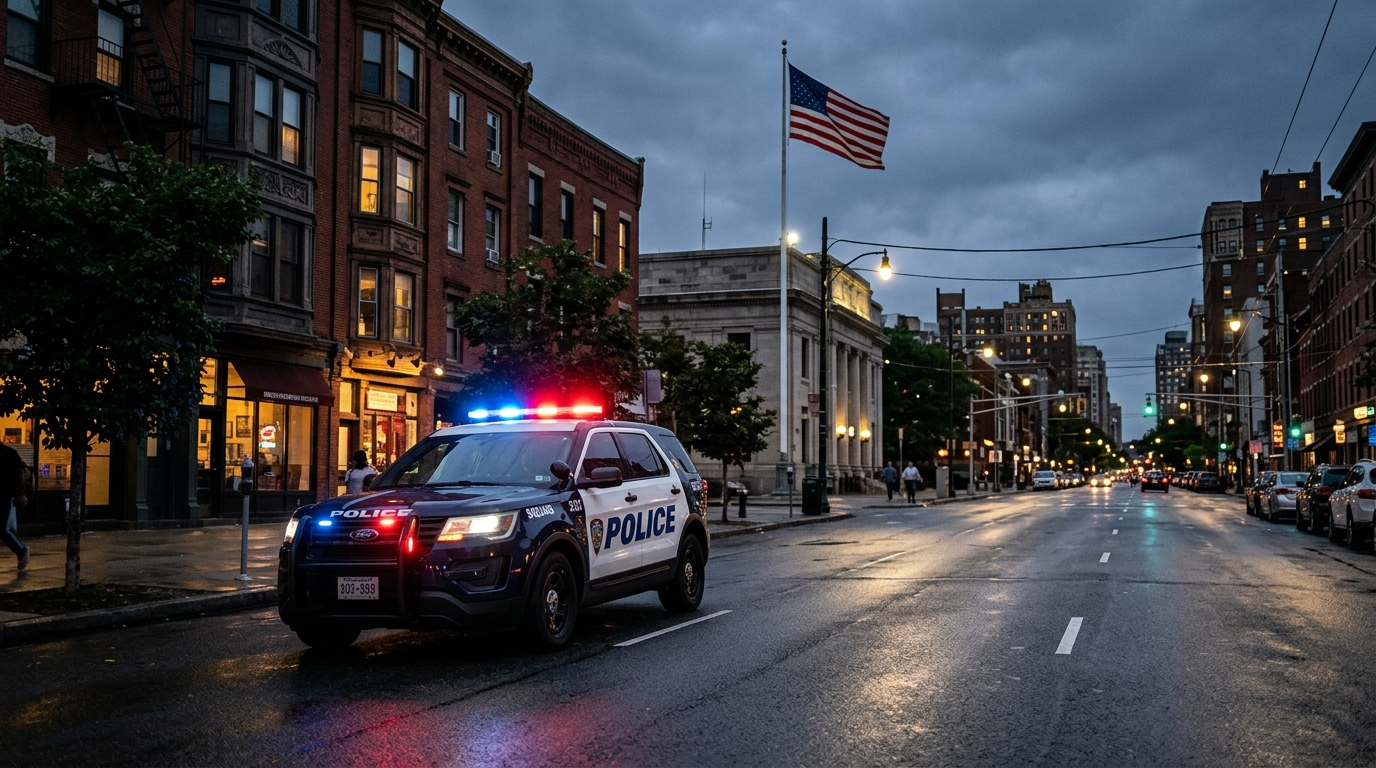
Five years ago, defund the police was everywhere. It was painted on streets, chanted at rallies, and printed on the signs of activists who were certain the country was ready to shrink its police departments. Today you would be hard pressed to find a big-city mayor who will say the phrase out loud.
That reversal is real, and it is worth telling honestly, because the true story is actually more damning to the movement than the viral version, and it comes with the advantage of being airtight.
What really happened in 2020
Start with the number everyone throws around, and get it right.
Murders in America jumped by nearly 30 percent from 2019 to 2020. That is true, and it is staggering. It was the largest single-year increase since the FBI began keeping records in 1960, close to 5,000 additional lives lost in a single year.
But here is the part the memes leave out. That spike was national. It hit big cities and small towns, red states and blue, and it even showed up in other countries that never had a defund movement at all. The criminologists who studied it pinned the surge on a perfect storm, the pandemic, the unrest after George Floyd's death, and a country coming apart at the seams all at the same time. Blaming it on police budgets alone does not survive contact with the data.
Most cities never actually defunded
Here is the twist that both sides tend to skip.
For all the noise, most cities never meaningfully cut their police budgets. One review of more than 100 cities and counties found the large majority were spending more on police in 2022 than they were in 2019. The cuts that did happen, like Portland trimming 15 million dollars or Minneapolis shifting around 8 million, were small next to the size of those departments, and plenty were reversed inside a year or two.
So defund the police was, in most places, more slogan than policy. What did change, and change dramatically, was the mood. Recruiting collapsed. Applications to police academies fell by half or more in many cities. Veteran officers retired early or left for the suburbs. You do not need a budget cut to hollow out a police force. You just need to spend a couple of years telling cops they are the villains.
The quiet reversal
This is the part the viral graphic gets right.
The same leaders who once flirted with the defund movement, including plenty of progressive ones, turned around and put the money back. Austin reversed its cuts. Minneapolis, the city where it all started, voted to raise police funding. New York, Los Angeles, Philadelphia, Denver, one after another, the city halls that felt the political heat in 2020 went looking for more officers, not fewer. The voters had made themselves clear, and the politicians finally listened.
And then the murders fell
Here is the payoff, and it is the strongest part of the whole story, because it is still happening.
After peaking in 2021, murders in America have fallen for three straight years, and not by a little. Homicides dropped around 11 percent in 2023, roughly 15 percent in 2024, and about 18 percent in 2025. That 2025 figure was the largest single-year decline the FBI has ever recorded, pushing the national murder rate toward its lowest level since around 1900. In 2025 alone, cities like Denver and Washington saw homicides fall by nearly 40 percent. And the early numbers for 2026 show the decline still going.
Put plainly, the country tried the opposite of defunding. It reinvested in policing, stood behind its officers, and got safer streets in return.
The honest caveat, because it makes you stronger, not weaker
Now the part a serious writer includes and a propagandist leaves out.
The criminologists who track this closely are careful to say the crime drop has many fathers. It is happening in cities run by Republicans and Democrats alike, which tells you the biggest forces are national, not the handiwork of any single mayor or any single policy. Federal pandemic aid, better crime-fighting technology, a calmer post-pandemic economy, it is all tangled together. Anyone who tells you more police alone explains the whole thing is selling something.
But here is what you can say with no hedging at all. The defund experiment was put on trial in the court of public opinion and lost in a landslide. The cities that shouted loudest about shrinking the police quietly reversed course. And as the country chose more policing over less, the murder rate did not climb. It collapsed. That is not a talking point. That is the record.
What to watch next
A couple of things worth keeping an eye on.
Watch the cities bucking the trend. A handful, including San Francisco and Norfolk, saw murders rise in 2026 even while most fell. Whether they turn out to be outliers or early warnings will tell us a lot.
Watch the funding cliff. A chunk of the federal money that helped cities pay for public safety is running dry. If crime stays low without it, that is real progress. If it creeps back, expect the whole argument to start over.
For now the verdict is in, and it is written in a falling murder rate. Defund had its moment. America looked at the results and chose its cops.
Support Truth in Media
If you believe in our mission to bring honest, conservative news to the American people, please consider joining our newsletter.
Join The Movement